 Dog Food
 Cat Litter
  Vitamins & Supplements
 Cat Liquid Treat
 Dog Treats
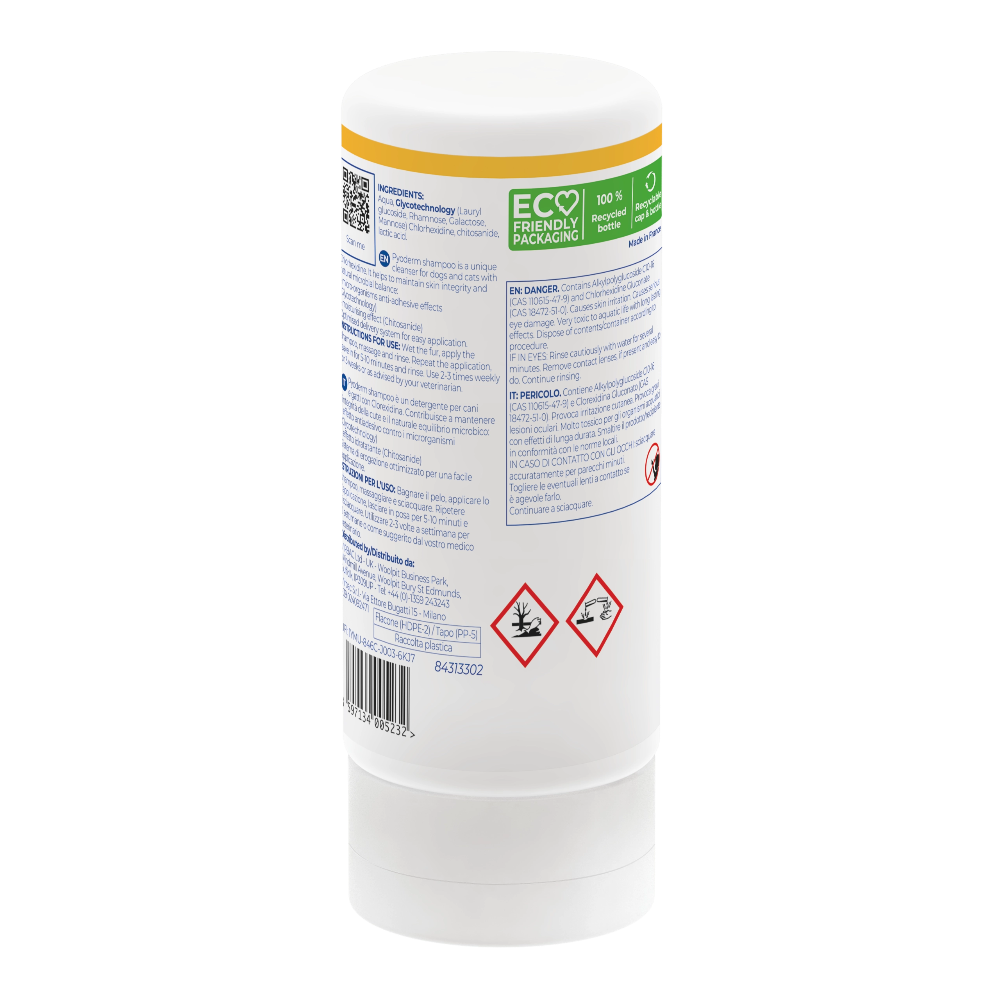
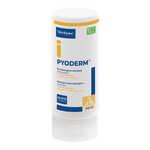
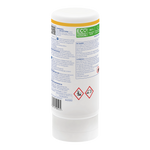
Virbac Pyoderm for Dog & Cat 250ML VBI
Regular price
EGP 1,150.00
Save
EGP -1,150.00
/
Virbac — Pyoderm | 250ml | Veterinary Antibacterial Shampoo for Dogs & Cats
The veterinary standard for bacterial skin infections. Virbac Pyoderm is a veterinary-grade antibacterial shampoo specifically formulated to treat pyoderma — bacterial skin infections — and associated skin conditions in dogs and cats. Pyoderma is one of the most common dermatological conditions in dogs and a significant cause of skin disease in cats — characterized by bacterial colonization of the skin that produces pustules, papules, crusts, scaling, hair loss, redness, and the characteristic unpleasant odor of infected skin. Standard grooming shampoos cannot treat pyoderma — bacterial skin infections require the specific antibacterial active ingredients that only veterinary-grade shampoos provide. Virbac Pyoderm delivers clinically proven antibacterial action — targeting the bacteria responsible for canine and feline pyoderma, reducing the bacterial burden on infected skin, supporting the resolution of active infections, and preventing recurrence when used as part of a comprehensive dermatological management program. From Virbac — the veterinary dermatology brand that professionals trust worldwide. 250ml — the veterinary antibacterial shampoo that treats pyoderma at its source.
Why Virbac Pyoderm Is The Best Choice
- Veterinary Antibacterial Formula — Specifically formulated to treat pyoderma and bacterial skin infections — not a general grooming shampoo, but a genuine veterinary antibacterial treatment.
- Chlorhexidine — The Gold Standard Veterinary Antibacterial — Chlorhexidine is the most widely used and most clinically validated antibacterial agent in veterinary dermatology — broad-spectrum, residual activity, and excellent safety profile.
- Broad-Spectrum Antibacterial Coverage — Effective against the primary bacterial pathogens responsible for canine and feline pyoderma — particularly Staphylococcus pseudintermedius, the most common cause of canine pyoderma.
- Residual Antibacterial Activity — Chlorhexidine binds to skin proteins and maintains antibacterial activity between baths — providing ongoing protection beyond the bathing session.
- Surface Decontamination — Reduces the bacterial burden on the skin surface — supporting the resolution of active infections and preventing recolonization.
- Adjunctive Therapy — Used alongside systemic antibiotics for moderate to severe pyoderma — topical antibacterial shampoo reduces the bacterial burden and supports faster resolution.
- Monotherapy for Superficial Pyoderma — For mild, superficial pyoderma, topical antibacterial shampoo alone may be sufficient — reducing the need for systemic antibiotics.
- Recurrence Prevention — Regular use as a maintenance shampoo prevents bacterial recolonization in dogs prone to recurrent pyoderma.
- For Dogs & Cats — Formulated for use in both species.
- Virbac — Veterinary Dermatology Expertise — From one of the world's leading animal health companies.
(Visual asset placement: flat-lay of the Virbac Pyoderm bottle with the clinical branding prominent, or lifestyle photo of a healthy dog or cat with clean, infection-free skin.)
Product Details & Features
Understanding Pyoderma in Dogs and Cats Pyoderma (from the Greek "pyo" = pus, "derma" = skin) is a bacterial skin infection — one of the most common dermatological conditions in dogs and a significant cause of skin disease in cats. Understanding pyoderma explains why a veterinary antibacterial shampoo is essential for effective management:
Prevalence:
- Pyoderma is the most common skin condition in dogs — accounting for approximately 20–30% of all dermatological consultations
- In cats, pyoderma is less common but occurs secondary to wounds, bite injuries, and underlying skin conditions
Classification by depth:
Superficial pyoderma:
- Infection confined to the surface of the skin and hair follicle openings
- Presents as pustules, papules, epidermal collarettes (circular scales), and superficial crusts
- Most common form — often responds to topical antibacterial treatment alone
- Includes impetigo (puppy pyoderma), superficial bacterial folliculitis, and mucocutaneous pyoderma
Deep pyoderma:
- Infection extending into the dermis and subcutaneous tissue
- Presents as nodules, draining tracts, furunculosis (ruptured hair follicles), and cellulitis
- Requires systemic antibiotic therapy — topical treatment is adjunctive
- More serious — can cause scarring and systemic illness
Causes and risk factors: Pyoderma is almost always secondary to an underlying condition that disrupts the skin barrier or immune defense:
- Allergies — Atopic dermatitis (environmental allergy) and food allergy are the most common underlying causes — the chronic scratching and skin barrier disruption allow bacteria to colonize
- Parasites — Demodicosis (Demodex mites) causes immunosuppression that allows bacterial overgrowth
- Hormonal disorders — Hypothyroidism and hyperadrenocorticism (Cushing's disease) impair immune function
- Anatomical factors — Skin folds (in brachycephalic breeds, Shar Peis, Basset Hounds) create warm, moist environments that favor bacterial growth
- Trauma — Wounds, bite injuries, and self-trauma from scratching create entry points for bacteria
The primary pathogen: Staphylococcus pseudintermedius is responsible for the vast majority of canine pyoderma cases — a commensal bacterium that normally lives on canine skin without causing disease, but becomes pathogenic when the skin barrier is disrupted or immune defenses are compromised.
Chlorhexidine — The Gold Standard Veterinary Antibacterial Chlorhexidine is the most important active ingredient in Virbac Pyoderm — and understanding why chlorhexidine is the gold standard in veterinary dermatology explains why Pyoderm is the most effective antibacterial shampoo available:
Mechanism of action: Chlorhexidine is a cationic bisbiguanide that works by:
- Binding to bacterial cell membranes — The positively charged chlorhexidine molecule is attracted to the negatively charged bacterial cell membrane
- Disrupting membrane integrity — Chlorhexidine inserts into the lipid bilayer of the bacterial cell membrane — causing leakage of intracellular contents
- Bacterial cell death — At therapeutic concentrations, chlorhexidine causes complete bacterial cell lysis — bactericidal rather than merely bacteriostatic
Broad-spectrum coverage: Chlorhexidine is effective against:
- Gram-positive bacteria — Including Staphylococcus pseudintermedius, Staphylococcus aureus, and Streptococcus species — the primary pyoderma pathogens
- Gram-negative bacteria — Including Pseudomonas aeruginosa and Escherichia coli — important in deep pyoderma and otitis
- Yeast — Including Malassezia pachydermatis — the yeast that commonly co-exists with bacterial pyoderma
- Some fungi — Including dermatophytes
Residual activity — The Critical Advantage: Chlorhexidine's most clinically significant property is its residual antibacterial activity — it binds to skin proteins (keratin) and maintains antibacterial activity for hours to days after rinsing:
- Substantivity — The technical term for this binding property — chlorhexidine is "substantive" to skin, meaning it persists on the skin surface after the shampoo is rinsed away
- Ongoing protection — The residual chlorhexidine continues to kill bacteria between baths — providing protection that extends well beyond the bathing session
- Recolonization prevention — The residual activity prevents rapid bacterial recolonization of the cleaned skin surface
Safety profile: Chlorhexidine has an excellent safety profile for topical use:
- Well-tolerated by dogs and cats at therapeutic concentrations
- Minimal systemic absorption through intact skin
- Non-irritating to intact skin at appropriate concentrations
- Safe for use around wounds (at appropriate dilutions)
Pyoderm vs. SEBOLYTIC SIS — Choosing the Right Virbac Shampoo The two Virbac veterinary shampoos address different primary skin conditions — understanding the distinction ensures the correct shampoo is selected:
| SEBOLYTIC SIS | Pyoderm | |
|---|---|---|
| Primary indication | Seborrhea, scaling, keratoseborrheic disorders | Pyoderma, bacterial skin infections |
| Primary action | Keratolytic + keratoplastic | Antibacterial |
| Active ingredients | Sulfur, Iodine, Salicylic acid | Chlorhexidine |
| Antimicrobial coverage | Moderate (sulfur + iodine) | Maximum (chlorhexidine — gold standard) |
| Residual activity | Limited | High (chlorhexidine substantivity) |
| Best for | Scaling, seborrhea, Malassezia | Bacterial pyoderma, recurrent infections |
| Can be used together | Yes — alternate if both conditions present | Yes |
When both conditions co-exist: Seborrhea and pyoderma frequently co-exist — seborrheic skin is more susceptible to bacterial colonization, and bacterial infection worsens seborrhea. In these cases, alternating between SEBOLYTIC SIS and Pyoderm — or using them on different days — provides comprehensive management of both conditions simultaneously.
Clinical Applications
Superficial pyoderma — Topical monotherapy: For mild to moderate superficial pyoderma in dogs, topical antibacterial shampoo alone may be sufficient:
- Twice-weekly bathing with Pyoderm for 3–4 weeks
- Monitor for resolution — if no improvement after 3 weeks, systemic antibiotics may be required
- Continue weekly maintenance bathing after resolution to prevent recurrence
Moderate to severe pyoderma — Adjunctive therapy: For moderate to severe pyoderma requiring systemic antibiotics, Pyoderm is used as adjunctive topical therapy:
- Reduces the bacterial burden on the skin surface — supporting faster resolution
- Reduces the risk of antibiotic resistance by reducing the total bacterial load
- Maintains skin hygiene during the antibiotic course
- Prevents recolonization after antibiotic treatment is complete
Recurrent pyoderma — Maintenance protocol: Many dogs experience recurrent pyoderma — particularly those with underlying allergies or anatomical predispositions. Regular maintenance bathing with Pyoderm prevents recurrence:
- Weekly to bi-weekly maintenance bathing
- Reduces the bacterial population on the skin before it reaches the threshold for clinical infection
- Reduces the frequency of antibiotic courses — important for antibiotic stewardship
Skin fold pyoderma: Skin folds (in Bulldogs, Pugs, Shar Peis, Basset Hounds, and other breeds) create warm, moist environments that favor bacterial and yeast growth. Regular cleaning of skin folds with Pyoderm prevents the fold pyoderma that causes chronic discomfort in these breeds.
Post-surgical skin preparation: Pyoderm can be used to clean and decontaminate skin around surgical sites — reducing the bacterial burden before and after surgical procedures.
Feline pyoderma: In cats, pyoderma most commonly occurs secondary to bite wounds, cat fight abscesses, and self-trauma from over-grooming. Pyoderm provides topical antibacterial management for feline skin infections — use with care and ensure thorough rinsing to prevent ingestion during grooming.
The Antibiotic Resistance Context Antibiotic resistance is an increasing concern in veterinary dermatology — methicillin-resistant Staphylococcus pseudintermedius (MRSP) is an emerging pathogen that is resistant to many systemic antibiotics. Topical chlorhexidine remains effective against MRSP — making Pyoderm particularly valuable in the context of antibiotic-resistant infections:
- Chlorhexidine resistance is extremely rare — bacteria have not developed significant resistance to chlorhexidine despite decades of use
- Topical chlorhexidine can be used for MRSP infections where systemic antibiotic options are limited
- Regular use of Pyoderm reduces the selection pressure for antibiotic resistance by reducing the need for systemic antibiotics
(Visual asset placement: flat-lay of the Virbac Pyoderm bottle with the clinical branding and antibacterial designation prominent, or lifestyle photo of a healthy dog or cat with clean, infection-free skin — communicating the skin health the shampoo restores.)
Specifications & Usage
| Specification | Details |
|---|---|
| Brand | Virbac |
| Product Name | Pyoderm |
| Format | Veterinary antibacterial shampoo |
| Volume | 250ml |
| Primary Active Ingredient | Chlorhexidine |
| Actions | Antibacterial (broad-spectrum), antifungal (yeast), residual activity |
| Indications | Pyoderma, bacterial folliculitis, skin fold dermatitis, recurrent bacterial infections |
| Species | Dogs and cats |
| Contact Time | 5–10 minutes |
| Brand Origin | France (Virbac) |
Usage Guidelines
| Condition | Bathing Frequency |
|---|---|
| Active pyoderma (mild-moderate) | 2–3 times per week for 3–4 weeks |
| Adjunctive (with systemic antibiotics) | 2–3 times per week during antibiotic course |
| Maintenance/recurrence prevention | Weekly to bi-weekly |
| Skin fold management | 2–3 times per week on affected folds |
Application Protocol
- Wet the coat thoroughly with warm water
- Apply Pyoderm generously — working into a lather
- Massage thoroughly into the skin — paying particular attention to affected areas
- Leave on for 5–10 minutes — contact time is essential for chlorhexidine to exert its antibacterial effect and bind to skin proteins for residual activity
- Rinse thoroughly with warm water
- Do not apply conditioner immediately after — allow chlorhexidine to remain on the skin surface
Serving Tips
- Contact time is non-negotiable — 5–10 minutes minimum — rinsing immediately eliminates the residual activity benefit
- Wear gloves — Chlorhexidine can cause skin sensitization with repeated unprotected exposure
- Protect eyes and ears — Avoid contact with eyes and ear canals — use cotton balls to protect ear canals during bathing
- Do not follow with conditioner — Conditioners can reduce chlorhexidine's substantivity — if conditioning is needed, use a chlorhexidine-compatible product
- Warm water — Use warm (not hot) water — hot water can irritate infected skin
- Veterinary diagnosis — Pyoderma is almost always secondary to an underlying condition — veterinary diagnosis and treatment of the underlying cause is essential for long-term resolution
The Virbac Veterinary Dermatology Range at petfast.shop
| Product | Primary Indication | Key Active | Best For |
|---|---|---|---|
| SEBOLYTIC SIS 250ml | Seborrhea, scaling | Sulfur, Iodine, Salicylic acid | Scaling disorders; Malassezia |
| Pyoderm 250ml | Pyoderma, bacterial infections | Chlorhexidine | Bacterial skin infections; recurrent pyoderma |
Chlorhexidine. Gold Standard Antibacterial. Residual Protection. — Backed by petfast.shop
At petfast.shop, Virbac Pyoderm is the veterinary antibacterial shampoo we carry for dog and cat owners managing pyoderma and bacterial skin infections — chlorhexidine's broad-spectrum, residual antibacterial action targeting the bacteria responsible for canine and feline pyoderma, reducing the bacterial burden, supporting infection resolution, and preventing recurrence. Effective against antibiotic-resistant strains. Adjunctive therapy for systemic antibiotic courses. Maintenance protocol for recurrence-prone dogs. 250ml of Virbac's dermatology expertise, delivered fast across Egypt from petfast.shop. Because your pet's bacterial skin infection deserves the gold standard antibacterial — and chlorhexidine delivers exactly that.
Chlorhexidine. Broad-spectrum. Residual protection. Add Virbac Pyoderm to your cart today — veterinary antibacterial shampoo for dogs and cats, delivered fast across Egypt from petfast.shop.

Virbac Pyoderm for Dog & Cat 250ML VBI
EGP 1,150.00